What Is Kafta
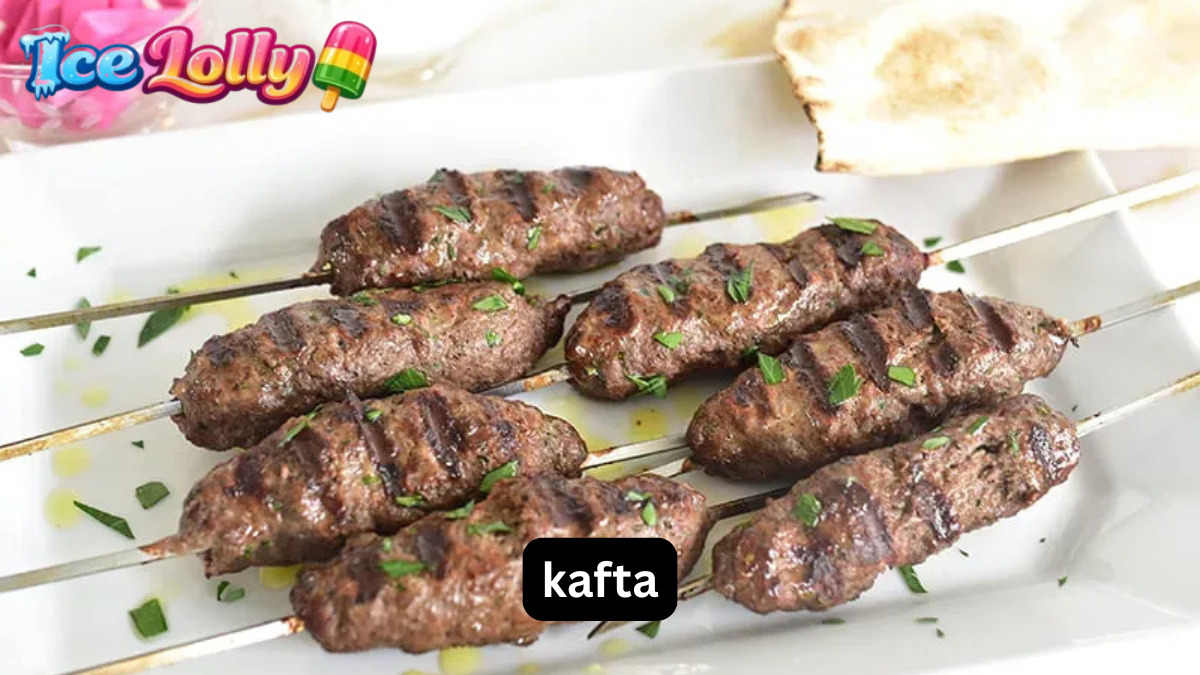
Kafta is one of the most loved dishes in Middle Eastern cuisine, especially in Lebanon where it is prepared for family meals, festive gatherings, and outdoor barbecues. This flavourful dish is made using minced beef or lamb blended with fresh parsley, finely chopped onions, and a fragrant mix of traditional spices. The result is a savoury meal that offers a rich balance of tenderness, aroma, and deep authentic flavour.
The popularity of kafta comes from its simplicity and versatility. It can be grilled, baked, or pan-fried depending on preference, making it suitable for both everyday meals and special occasions. Whether served as juicy skewers, shaped into patties, or wrapped inside warm pita bread, kafta delivers a comforting taste that reflects the heart of Lebanese cooking traditions.
The Rich Heritage Behind Kafta
The history of kafta stretches back centuries, with its origins deeply rooted in Middle Eastern culinary traditions. Over time, this dish spread across many regions, where different cultures adapted it to suit local tastes. Despite slight variations, the essence of kafta has remained the same, focusing on seasoned minced meat prepared with care and cooked to perfection.
In Lebanese households, kafta is far more than a meal. It represents hospitality, togetherness, and shared traditions. Recipes are often passed down through generations, preserving authentic techniques and flavours. The famous kafta meshwi, which is grilled over charcoal, remains a treasured dish at family gatherings and reflects the importance of food as a centrepiece of social connection.
Essential Ingredients for Perfect Kafta
The secret to authentic kafta lies in selecting high-quality ingredients. Ground beef with a moderate fat content is often preferred because it produces a moist and juicy texture. Finely chopped onions and fresh parsley bring freshness, while spices such as cinnamon, allspice, black pepper, and salt create the signature flavour that makes this dish unmistakably Lebanese.
Freshness is particularly important when preparing kafta. Using newly chopped herbs and freshly minced meat enhances both aroma and texture. The spices should complement the meat rather than overpower it, allowing each ingredient to contribute to a harmonious flavour profile. This balance is what transforms a simple mixture into a memorable and authentic culinary experience.
How to Make Kafta at Home
Preparing kafta at home is straightforward and highly rewarding. Begin by combining the minced meat with parsley, onions, and spices in a large bowl. Mix the ingredients gently but thoroughly to ensure even distribution. Overworking the mixture should be avoided, as it can create a dense texture instead of the soft and juicy consistency that authentic kafta requires.
Once mixed, shape the kafta according to your preference. Traditional forms include elongated logs pressed onto skewers, though patties are equally popular. The shaped meat can then be grilled, baked, or pan-fried. Whichever method you choose, careful cooking is essential to keep the inside tender while allowing the exterior to develop a lightly crisp finish.
Why Kafta Meshwi Is So Special
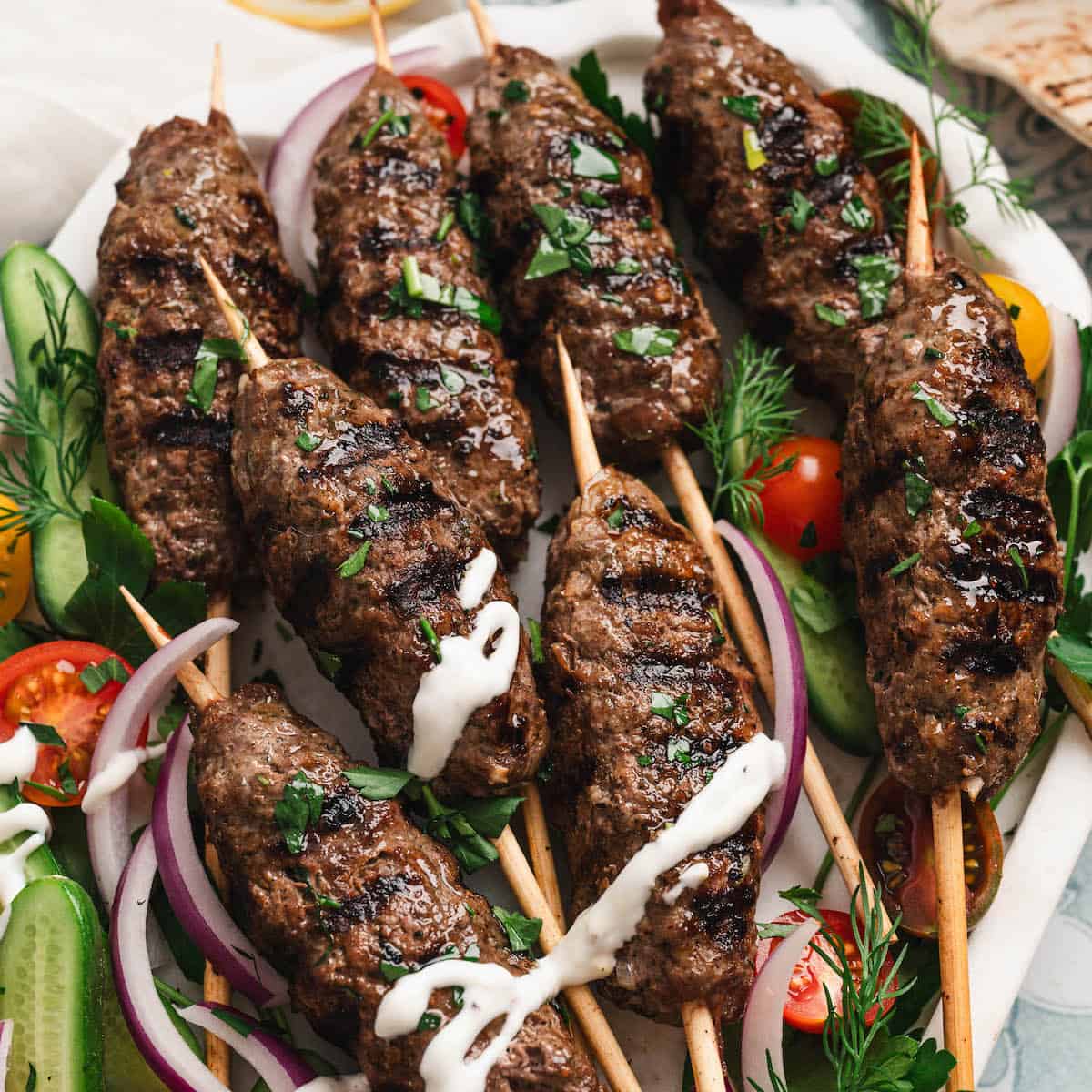
Kafta meshwi is a beloved grilled version of kafta that holds a special place in Lebanese cuisine. The word “meshwi” translates to grilled, and this preparation method gives the dish its distinct smoky flavour. Cooking over charcoal creates a subtle charred crust while sealing in the natural juices of the meat, producing a rich and irresistible taste.
This version of kafta is often associated with outdoor dining and family celebrations. Served hot from the grill alongside fresh salads, hummus, and warm bread, kafta meshwi captures the essence of communal Lebanese meals. Its smoky aroma and juicy texture make it a standout dish that many people consider the ultimate way to enjoy kafta.
Exploring Chicken Kafta
For those seeking a lighter option, chicken kafta offers a delicious alternative to the traditional beef version. Made using minced chicken, it maintains the same aromatic seasoning while providing a softer and leaner texture. This variation is particularly appealing for those who prefer lighter meals without sacrificing the authentic flavours of Middle Eastern cuisine.
Because chicken contains less natural fat than beef, it requires slightly different preparation techniques. Adding a touch of olive oil or grated onion helps retain moisture during cooking. When prepared properly, chicken kafta becomes tender, juicy, and packed with flavour, proving that this modern adaptation can stand proudly alongside its traditional counterpart.
Common Mistakes to Avoid
One of the most frequent mistakes when making kafta is choosing meat that is too lean. While lean meat may seem healthier, it often leads to dryness and a lack of flavour. A small amount of fat is necessary to create the juicy texture that defines excellent kafta and keeps it tender throughout cooking.
Another common error is overcooking. Since kafta cooks relatively quickly, leaving it on the heat for too long can result in a tough texture. Proper timing is crucial, as is allowing the meat to rest briefly after cooking. This helps the juices redistribute evenly, ensuring every bite remains moist and flavourful.
Best Ways to Serve Kafta
Kafta is incredibly versatile when it comes to serving options. Traditional accompaniments include hummus, tabbouleh, grilled vegetables, and fluffy rice. Warm pita bread is often used to wrap the meat along with garlic sauce or tahini, creating a simple yet deeply satisfying meal.
Modern serving ideas have expanded its appeal even further. Kafta can be enjoyed in wraps, grain bowls, sandwiches, or alongside roasted potatoes. These combinations allow the dish to adapt to contemporary dining styles while preserving the authentic flavours that make kafta so popular across cultures.
Storing and Reheating Kafta
Kafta stores exceptionally well, making it ideal for meal preparation. Once cooked, it can be refrigerated in an airtight container for several days. This allows you to enjoy flavourful leftovers without compromising quality, making it a practical option for busy households.
When reheating, gentle methods work best. Warming kafta in a pan over low heat or placing it in the oven helps preserve its moisture and tenderness. Avoid using excessive heat, as this can dry out the meat. Proper storage and reheating ensure your kafta remains just as delicious as when freshly prepared.
Why Homemade Kafta Is Worth Making
Homemade kafta offers complete control over flavour, texture, and ingredient quality. You can adjust the seasoning to suit your taste, choose premium meat, and prepare it exactly the way you prefer. This level of customisation often results in a far superior dish compared to many restaurant versions.
Making kafta at home also creates a meaningful cooking experience. It connects you to Lebanese culinary traditions and provides the satisfaction of preparing a dish from scratch. From mixing the fragrant spices to enjoying the finished meal, homemade kafta is a rewarding journey that celebrates both flavour and heritage.
Conclusion
Kafta is a true celebration of Lebanese cuisine, combining simple ingredients with traditional techniques to create something deeply flavourful and memorable. Whether enjoyed as classic beef kafta, smoky kafta meshwi, or lighter chicken kafta, this dish continues to win hearts around the world through its versatility and authentic charm.
Learning to prepare kafta at home opens the door to a rich culinary tradition that values freshness, balance, and shared enjoyment. With practice and quality ingredients, anyone can master this timeless recipe and bring the authentic taste of Lebanon straight to their own dining table.
FAQs
What is kafta made from
Kafta is traditionally made from minced beef or lamb mixed with onions, parsley, and aromatic Middle Eastern spices.
What does kafta meshwi mean
Kafta meshwi refers to grilled kafta cooked over charcoal or an open flame for a smoky flavour.
Can chicken kafta replace beef kafta
Yes, chicken kafta is a lighter variation that offers similar flavours with a leaner texture.
How do you stop kafta from falling apart
Mixing the ingredients well and chilling the mixture before cooking helps it stay firm.
What can I serve with kafta
Kafta pairs beautifully with pita bread, hummus, rice, salads, garlic sauce, and grilled vegetables.
Also Read: Chocolate Overnight Oats Recipe: The Best Easy Healthy Breakfast